The Hiking Man Hikes North Carolina

The Urban Trail Hiker
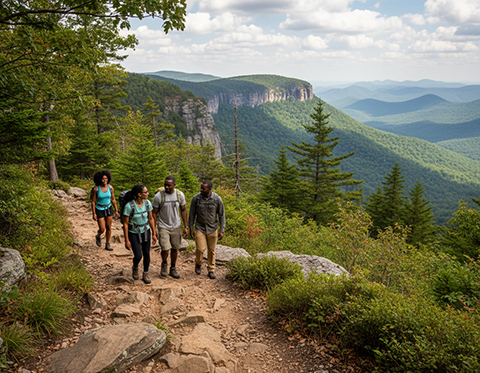
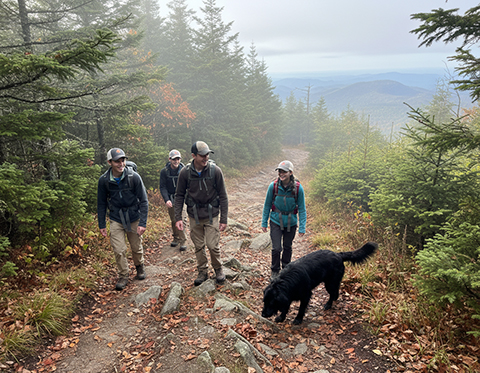
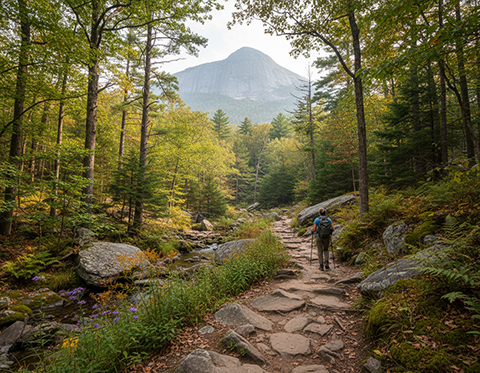
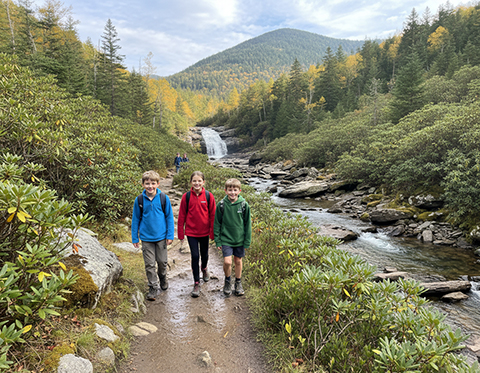
Hiking in North Carolina offers an incredible range of experiences, from coastal trails and rolling Piedmont hills to rugged mountain peaks in the Appalachians. The state is home to a vast portion of the Blue Ridge Parkway and the Appalachian Trail, both of which provide some of the most scenic hiking in the eastern United States. In Great Smoky Mountains National Park, trails like Clingmans Dome, Charlies Bunion, and Deep Creek Loop showcase lush forests, waterfalls, and panoramic views. Pisgah National Forest and Linville Gorge Wilderness offer more challenging terrain, with trails that reward hikers with stunning overlooks and rock formations. Whether you're exploring coastal marshes or climbing to high-elevation vistas, North Carolina’s diverse landscapes make it a top destination for hikers of all levels.


Max Patch (Pisgah National Forest)

Hiking the Max Patch Trail in Pisgah National Forest is one of the most rewarding short mountain experiences in the southern Appalachians. Located near the North Carolina–Tennessee border, Max Patch is a grassy bald that rises to over 4,600 feet and offers sweeping 360-degree views of surrounding mountain ridges. The trail itself is relatively short and accessible compared to many steep Appalachian hikes, making it popular with families, casual hikers, photographers, and long-distance backpackers traveling the famous Appalachian Trail. The open summit is unusual for the region, as most peaks in the southern Appalachians are heavily forested, so reaching the top feels dramatically expansive and airy.
 Max Patch trail

The hike begins through wooded sections before emerging onto rolling grassy slopes that feel almost alpine in character. In spring and summer, the meadows become lush green and are dotted with wildflowers, while autumn brings golden grasses and vivid foliage on distant hillsides. Many hikers enjoy taking a slow loop around the summit because the scenery changes constantly depending on the direction of the sun and clouds drifting across the mountains. Sunrise and sunset are especially memorable on Max Patch, when layers of blue ridges stretch seemingly forever into the distance. Because the area is so open, weather can change quickly, and hikers should be prepared for strong winds even on mild days.

One of the special aspects of hiking Max Patch is the relaxed atmosphere that encourages visitors to linger rather than rush back down the mountain. People often spread out blankets for picnics, practice photography, watch migrating hawks, or simply sit quietly and enjoy the panoramic views. Backpackers on the Appalachian Trail frequently camp nearby, giving the area a classic long-distance hiking culture. Despite its popularity, Max Patch still manages to feel peaceful, especially on weekday mornings or during misty weather when fog drifts across the grassy summit. The combination of easy access, wide-open scenery, and classic Appalachian beauty makes Max Patch one of the most beloved hikes in western North Carolina.

Craggy Pinnacle Trail (Blue Ridge Parkway)

Hiking the Craggy Pinnacle Trail along the Blue Ridge Parkway is one of the most scenic short hikes in the North Carolina mountains. Located northeast of Asheville near the Craggy Gardens area, the trail climbs gradually through dense forests of twisted hardwoods and fragrant rhododendron before reaching a rocky summit with spectacular views. Although the hike is relatively short, the elevation and dramatic scenery make it feel much more adventurous than its length suggests. The trail is especially popular during the summer bloom season, when the surrounding rhododendrons explode with vibrant pink and purple blossoms that line the path and fill the mountain air with color.
 Craggy Pinnacle Trail

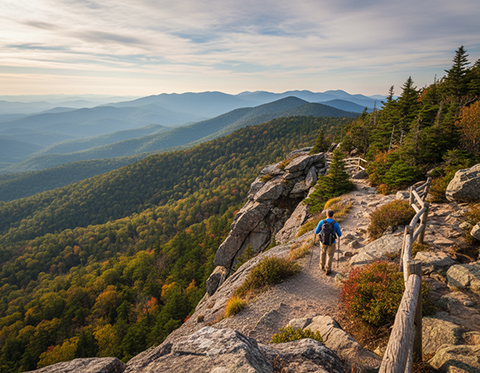
As hikers ascend toward the summit, the forest begins to thin and reveal glimpses of the surrounding Blue Ridge Mountains. Moss-covered rocks, gnarled trees, and cool mountain breezes give the area an almost ancient atmosphere. The final stretch climbs onto exposed rock outcroppings where panoramic views open in nearly every direction. From the summit of Craggy Pinnacle, hikers can see endless rolling ridges fading into the distance, often layered in the blue haze that gives the Blue Ridge Mountains their name. Morning fog drifting through the valleys or golden evening sunlight can make the scenery especially unforgettable for photographers and nature lovers.

One of the greatest appeals of the Craggy Pinnacle Trail is that it offers high-elevation mountain scenery without requiring an all-day trek. Families, casual hikers, and experienced backpackers alike can enjoy the route, and the nearby overlooks along the Blue Ridge Parkway make it easy to combine with a full day of mountain exploration. Weather at the summit can change quickly, however, and temperatures are often much cooler than in nearby valleys, so hikers should carry extra layers even during summer. Whether visited during the vibrant rhododendron bloom, the colorful fall foliage season, or under clear autumn skies, the Craggy Pinnacle Trail delivers a classic southern Appalachian mountain experience in a compact and memorable hike.

Linville Gorge – Table Rock Trail

Hiking the Table Rock Trail in Linville Gorge Wilderness offers one of the most dramatic mountain experiences in the eastern United States. Often called the “Grand Canyon of the East,” Linville Gorge is known for its steep cliffs, rugged terrain, and remote wilderness atmosphere. The trail to Table Rock Mountain begins near the Blue Ridge Mountains’ high ridges and steadily climbs through forests of oak, pine, and mountain laurel before reaching exposed rocky overlooks. Although the hike is relatively short compared to many backcountry treks, the terrain can feel steep and rugged in places, adding a sense of adventure to the journey.
 Linville Gorge Table Rock Trail

As hikers gain elevation, the views become increasingly impressive. Large rock outcroppings provide sweeping panoramas of the deep Linville Gorge below, with the Linville River winding far beneath towering cliffs and forested slopes. Across the gorge, hikers can often spot Hawksbill Mountain and other rugged peaks rising sharply from the wilderness. The exposed summit areas of Table Rock create a feeling of standing high above the surrounding mountains, especially on clear days when distant ridgelines stretch endlessly toward the horizon. Sunrises and sunsets are particularly stunning here, with golden light illuminating the cliffs and casting shadows across the gorge.

One of the defining features of the Table Rock Trail is its combination of accessibility and wild scenery. While many parts of Linville Gorge require difficult navigation and strenuous descents, the Table Rock area allows hikers to experience the rugged beauty of the gorge without committing to a multi-day wilderness expedition. The area is also popular with rock climbers, backpackers, and photographers drawn to the dramatic landscape. Weather can change rapidly at higher elevations, and exposed cliff edges require caution, especially during wet or windy conditions. For hikers seeking a classic Appalachian mountain adventure with unforgettable views, the Table Rock Trail remains one of North Carolina’s premier hiking destinations.

Mount Mitchell Trail

Hiking the Mount Mitchell Trail in Mount Mitchell State Park is one of the most challenging and rewarding mountain hikes in the southeastern United States. The trail leads to the summit of Mount Mitchell, the highest peak east of the Mississippi River at 6,684 feet. Beginning near the Black Mountain Campground, the route climbs thousands of feet through dense Appalachian forest, making it a strenuous trek that demands endurance and preparation. The trail is known for its steep elevation gain, rocky terrain, and long ascent, but hikers are rewarded with a true high-mountain wilderness experience rarely found in the eastern United States.
 Mount Mitchell Trail

As the trail climbs higher into the Black Mountains, the environment changes noticeably. Lower sections pass through hardwood forests filled with rhododendron, moss-covered rocks, and rushing streams, while higher elevations transition into cool spruce-fir forests that resemble the forests of Canada or New England. The air becomes noticeably cooler and damper as hikers approach the summit, even during the middle of summer. Along the way, occasional viewpoints reveal layers of blue mountain ridges stretching across western North Carolina. Wildlife sightings can include birds, salamanders, and occasionally black bears in the surrounding wilderness areas.

Reaching the summit of Mount Mitchell is a memorable accomplishment for many hikers. Observation areas near the top provide breathtaking panoramic views of the surrounding Blue Ridge Mountains, especially during clear autumn days when colorful foliage blankets the valleys below. Because of the mountain’s high elevation, weather conditions can change rapidly, with fog, rain, and strong winds arriving unexpectedly. Hikers should carry extra clothing, food, and water even during warmer months. The Mount Mitchell Trail combines physical challenge, rich Appalachian ecology, and spectacular scenery, making it one of North Carolina’s premier hikes for those seeking a demanding but unforgettable mountain adventure.

Looking Glass Rock Trail (Pisgah National Forest)

Hiking the Looking Glass Rock Trail in Pisgah National Forest is one of the classic mountain adventures in western North Carolina. The trail leads to the summit of Looking Glass Rock, a massive granite dome that rises dramatically above the surrounding forest. Named for the way water and ice reflect sunlight from its smooth rock face during winter, Looking Glass Rock is visible from many parts of the region and has become one of the most recognizable landmarks in the Blue Ridge Mountains. The hike is moderately strenuous, with a steady climb through forests, switchbacks, and rocky terrain before reaching the exposed summit area.
 Looking Glass Rock Trail

The trail passes through a rich Appalachian forest filled with hardwoods, mountain laurel, rhododendron, and towering pines. During spring and summer, the trail corridor becomes lush and green, while autumn transforms the mountainsides into vibrant displays of red, orange, and yellow foliage. As hikers gain elevation, occasional openings in the trees reveal views of surrounding peaks and valleys. Near the summit, the forest suddenly gives way to broad expanses of exposed granite, creating a dramatic contrast between the shaded woodland below and the open mountaintop above. The final views from the summit are spectacular, offering panoramic scenery across Pisgah National Forest and the distant Blue Ridge Mountains.

One of the most memorable aspects of the Looking Glass Rock Trail is the feeling of standing atop a huge stone platform high above the landscape. The exposed granite summit provides an ideal place for resting, photography, or simply enjoying the mountain air and expansive scenery. Because much of the summit is open rock, hikers should use caution during wet or icy conditions, as the surface can become slippery. The trail is popular year-round and attracts everyone from experienced hikers to visitors seeking one of North Carolina’s most rewarding day hikes. With its combination of forest scenery, mountain elevation, and sweeping summit views, the Looking Glass Rock Trail remains one of the premier hiking destinations in the southern Appalachians.

Graveyard Fields Loop (Blue Ridge Parkway)

Hiking the Graveyard Fields Loop along the Blue Ridge Parkway offers a unique mountain landscape unlike many other trails in the southern Appalachians. Located in the high elevations of the Pisgah region, Graveyard Fields is known for its broad open valley, waterfalls, wild blueberry patches, and unusual history. The area earned its name after a devastating windstorm and floods long ago toppled large numbers of trees, leaving behind weathered stumps that resembled gravestones. Today, the landscape has regenerated into a mix of open meadows, thick rhododendron tunnels, and high-elevation forests that create a beautiful and diverse hiking environment.
Graveyard Fields Loop trail

The loop trail is especially popular because it combines relatively easy hiking with dramatic scenery. Wooden boardwalks and bridges help hikers cross streams and marshy sections while protecting the fragile ecosystem. Along the route, hikers can visit both Upper and Lower Graveyard Falls, where clear mountain water cascades over rocks into cool pools below. In late summer, the area becomes famous for its wild blueberries, attracting hikers and wildlife alike. The open valley also provides excellent opportunities to observe changing mountain weather, with fog drifting across the meadows and sunlight illuminating the surrounding ridges of the Blue Ridge Mountains.

One of the most enjoyable aspects of the Graveyard Fields Loop is its constantly changing scenery throughout the seasons. Spring brings blooming wildflowers and rushing streams from snowmelt, while summer offers lush greenery and cool mountain temperatures. Autumn transforms the valley into one of the Parkway’s most colorful destinations, with brilliant foliage covering the hillsides in red, orange, and gold. Even winter can be striking when snow blankets the meadows and frozen waterfalls line the trail. Because the trail sits at a relatively high elevation, weather conditions can shift quickly, so hikers should be prepared for cooler temperatures and sudden rain. With its waterfalls, open meadows, and scenic mountain atmosphere, Graveyard Fields remains one of the most beloved hiking areas in western North Carolina.

Hanging Rock Trail (Hanging Rock State Park)

Hiking the Hanging Rock Trail in Hanging Rock State Park is one of the most popular outdoor experiences in North Carolina’s Piedmont region. The trail leads to the famous rocky summit of Hanging Rock, a dramatic quartzite outcrop that towers above the surrounding forests and valleys. Beginning near the park visitor area, the trail climbs steadily through hardwood forests filled with oak, hickory, and mountain laurel. Stone steps and well-maintained paths make the route accessible for many hikers, though the uphill climb still provides a satisfying workout as the elevation gradually increases toward the summit.
 Hanging Rock Trail

As hikers ascend, the forest occasionally opens to reveal scenic overlooks and glimpses of the surrounding Sauratown Mountains. The final approach to Hanging Rock becomes increasingly dramatic as massive rock formations emerge from the trees. At the summit, hikers are rewarded with expansive panoramic views stretching across rolling hills, forests, and distant farmland. On clear days, the scenery extends for miles across central North Carolina, creating a striking contrast between the rugged mountain cliffs and the gentler landscape below. The exposed rock ledges also make the summit a favorite location for photography, picnics, and watching sunrises or sunsets.

One of the reasons the Hanging Rock Trail remains so popular is the variety of experiences available within the park itself. Many hikers combine the summit trail with nearby waterfalls, lakes, and additional trails that wind through the park’s rugged terrain. During autumn, colorful foliage transforms the mountainsides into brilliant shades of red, orange, and gold, while spring brings blooming wildflowers and fresh greenery to the forest. Because the summit contains steep drop-offs and exposed cliffs, visitors should use caution near the edges, especially during wet weather. With its combination of accessible hiking, dramatic scenery, and impressive summit views, the Hanging Rock Trail offers a classic and memorable North Carolina hiking adventure.

Whiteside Mountain Loop

Hiking the Whiteside Mountain Loop in the mountains of western North Carolina is a spectacular experience that combines dramatic cliffs, cool forests, and panoramic mountain scenery. The trail circles Whiteside Mountain, a massive granite and metamorphic rock formation known for having some of the highest sheer cliffs in the eastern United States. Located near Highlands, the loop trail is moderately strenuous but accessible to many hikers thanks to its well-maintained path and gradual climbs. The route passes through dense forests of hardwoods, rhododendron, and mountain laurel before emerging onto exposed overlooks that reveal breathtaking views of the surrounding Blue Ridge Mountains.
 Whiteside Mountain Loop trail

One of the most striking features of the hike is the dramatic change in scenery as hikers move around the mountain. Certain sections remain shaded and quiet beneath thick tree cover, while other portions suddenly open onto towering cliffs and expansive vistas. The rocky overlooks provide sweeping views across valleys, ridgelines, and distant peaks stretching into both North Carolina and neighboring states. During autumn, the mountainsides explode with brilliant colors, making the trail especially popular with photographers and leaf-peepers. Peregrine falcons are sometimes spotted soaring near the cliffs, and the cool mountain air at higher elevations creates a refreshing atmosphere even during warmer months.

The Whiteside Mountain Loop is also known for its fascinating geology and rugged mountain character. The immense cliffs have attracted rock climbers for decades, while the surrounding forests support a rich variety of plant and animal life. Although the trail itself is relatively safe and well-marked, hikers should exercise caution near the cliff edges, especially in wet or windy conditions. The combination of accessible hiking, dramatic scenery, and impressive elevation makes Whiteside Mountain one of the premier hiking destinations in the southern Appalachians. Whether visited during the lush greenery of summer or the vibrant colors of fall, the trail offers a memorable mountain adventure filled with some of the finest views in western North Carolina.

Clingmans Dome (Great Smoky Mountains National Park)

Hiking to Clingmans Dome in Great Smoky Mountains National Park is one of the most iconic mountain experiences in the eastern United States. Clingmans Dome stands at 6,643 feet, making it the highest point in the Great Smoky Mountains and the third-highest mountain east of the Mississippi River. The paved trail to the summit is relatively short, but the steep incline and high elevation can still make the climb feel challenging, especially for visitors unaccustomed to mountain hiking. Beginning from the parking area along Clingmans Dome Road, the trail ascends steadily through cool spruce-fir forests that resemble the forests of the northeastern United States and Canada.
 Clingmans Dome trail

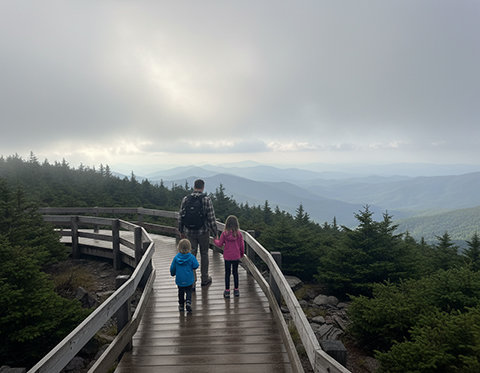
As hikers climb higher, the air becomes cooler and often misty, creating the mysterious atmosphere for which the Smokies are famous. Towering evergreen trees, moss-covered ground, and drifting fog give the trail an almost otherworldly appearance. At the summit, visitors reach the distinctive circular observation tower that rises above the forest canopy. From the tower, panoramic views stretch across endless ridges of the Smoky Mountains, with layers of blue haze fading into the distance. On exceptionally clear days, visibility can extend for over one hundred miles, while cloudy or foggy conditions create a completely different but equally memorable experience as mist rolls through the mountains below.

One of the unique aspects of hiking Clingmans Dome is the sense of standing atop the entire Smoky Mountain range. The nearby Appalachian Trail also crosses near the summit, adding to the area’s importance among hikers and backpackers. Weather conditions at the summit can change rapidly, with temperatures often much colder than in nearby valleys, so hikers should bring warm clothing even during summer months. Sunrise and sunset are especially popular times to visit because of the dramatic lighting across the mountains and clouds. Whether viewed under crystal-clear skies or surrounded by swirling mountain fog, Clingmans Dome offers one of the most unforgettable scenic experiences in the southern Appalachians.

Triple Falls Trail (DuPont State Recreational Forest)

Hiking the Triple Falls Trail in DuPont State Recreational Forest is one of the most scenic waterfall experiences in the southern Appalachians. The trail leads to Triple Falls, a spectacular three-tiered waterfall where the Little River cascades down broad rock ledges in a series of dramatic drops. The hike is relatively accessible for many visitors, making it a popular destination for families, photographers, and outdoor enthusiasts. Forested trails wind through a landscape of hardwoods, rhododendron, and moss-covered rocks, creating a peaceful mountain atmosphere as hikers approach the waterfalls.
 Triple Falls Trail

As the sound of rushing water grows louder, hikers begin to catch glimpses of the falls through the trees before arriving at scenic overlooks near the river. Triple Falls is especially impressive because of its layered structure, with water tumbling down multiple granite shelves surrounded by lush forest scenery. Staircases and observation areas provide several viewpoints from different elevations, allowing hikers to appreciate both the power and beauty of the falls. After periods of heavy rain, the waterfall becomes especially dramatic as large volumes of water thunder down the rock face. The surrounding forest remains cool and refreshing even during warmer months, making the trail a pleasant summer hike.

One of the reasons the Triple Falls Trail is so beloved is the combination of natural beauty and cinematic history. The waterfall gained national attention after appearing in films such as The Last of the Mohicans and The Hunger Games, drawing visitors eager to see the location in person. Many hikers also combine Triple Falls with nearby attractions in DuPont State Recreational Forest, including High Falls and Hooker Falls, creating a full day of waterfall exploration. Autumn brings brilliant foliage to the forest, while spring fills the area with blooming wildflowers and rushing streams. With its dramatic waterfalls, scenic woodland setting, and relatively easy access, the Triple Falls Trail offers one of North Carolina’s most memorable hiking experiences.